Independent fan guide
The Blood of Dawnwalker – Release Date, Reviews & Walkthrough Hub
Verified answers for The Blood of Dawnwalker — from release timing to every quest, consequence, build, and location.
See all guide sections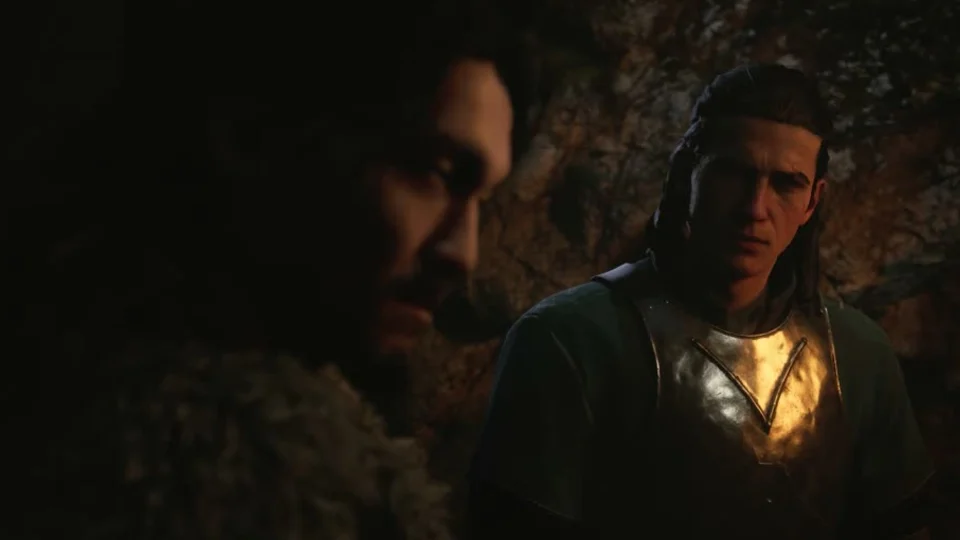 Human by day
  Vampire by night
 Build your route
The Player’s Path
Read the world before you spend the time
A field guide for a story that keeps moving
The Blood of Dawnwalker is built around a limited thirty-day campaign, a protagonist whose abilities change with daylight, and quests that may advance time when completed. This guide is organized to help you understand those pressures without turning discovery into a checklist or presenting pre-release assumptions as settled mechanics.
01
Plan by consequence, not by completion percentage
The official premise gives Coen thirty days and nights to save his family. That makes a conventional open-world routine—clear every icon, accept every errand, then return to the story—a poor default until the exact time rules are verified in the released game. Our walkthrough will therefore separate actions that appear to advance time from exploration, travel, combat, dialogue, and optional discoveries that may not. Each route will explain what is known, what was tested, and what remains uncertain.
Choice pages will focus on the information a player needs before committing: the decision point, the immediate result, any delayed consequence we can reproduce, and the earliest safe save position. We will avoid reducing every scene to a simplistic ‘good’ or ‘bad’ answer. In a narrative RPG, the value of a decision often depends on the character you are role-playing, the people you want to protect, and the opportunities you are willing to lose. Spoiler warnings will appear before outcome details rather than after them.
02
Treat day and night as two connected toolsets
Rebel Wolves describes Coen as human by day and vampire by night. The distinction is more useful than a cosmetic day-night label: official material shows different abilities, approaches, and risks across those states. Our build coverage will keep human and vampire options connected instead of publishing two isolated tier lists. A strong route may use daylight for one kind of access or interaction, then reserve the night for mobility, predation, or combat tools that change the shape of the same objective.
Until hands-on testing is complete, the planner will not claim exact durations, optimal rotations, or universal best skills. After release, each recommendation will name the game version, the situation in which it was tested, the equipment or skills required, and the tradeoff it creates elsewhere. That context matters more than a score. A build that is excellent for direct combat may be wasteful for a player trying to preserve time, remain unseen, or keep a particular quest outcome available.
03
Use the map as a record of evidence
The map section is intended to answer practical questions: where an objective begins, which route reaches it, what landmark confirms you are in the right place, and whether the location changes with time or story progress. Markers will be added from released gameplay and direct verification, not copied from speculative databases. When a point of interest has conditions, the entry will state them beside the location so you do not cross the valley only to discover that the character, entrance, or event is unavailable.
Quest entries will connect those locations to prerequisites, time movement, rewards, branching decisions, and follow-up consequences. The walkthrough then joins the entries into a readable route. This layered structure lets a first-time player follow only the next objective, while a completion-focused player can inspect the deeper links. It also means a correction can be made once and reflected across the relevant route, quest, choice, build, and map references instead of leaving contradictory advice scattered through the site.
Editorial standard
How we publish without inventing the game
Before release, we distinguish official facts from interpretation. Publisher pages, Rebel Wolves material, official trailers, and storefront listings support launch information and broad feature descriptions. They do not prove an exact quest solution, hidden ending condition, skill value, or map coordinate.
After release, guide claims move through direct play, reproducible steps, cross-checking, and a visible verification date. If a patch changes an outcome—or if reliable evidence contradicts an older entry—we update the affected page and explain the correction instead of quietly preserving a confident but outdated answer.
- First-party first
- Release dates, editions, platforms, and named features begin with the publisher, developer, or official storefront—not an unsourced repost.
- Hands-on for guides
- Quest steps, choice results, builds, and locations require released gameplay evidence before they are presented as verified instructions.
- Context over rankings
- Recommendations state the goal, conditions, costs, and tested version so a player can decide whether the advice fits their route.
- Corrections stay visible
- Material changes receive a new verification date and an explanation where the previous wording could mislead a player.
Explore the Guide
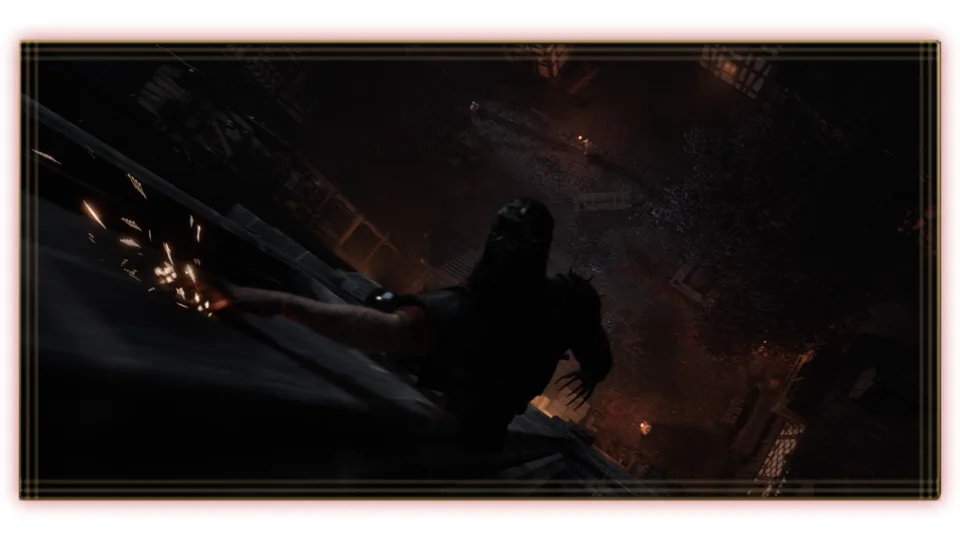 Release & Preload Step-by-step launch schedule and storage requirements. Open section Review Roundup Critical reactions, Metacritic tracking, and impressions. Open section Dawnwalker vs Witcher 3 Ex-CDPR heritage, combat differences, and world design. Open section
 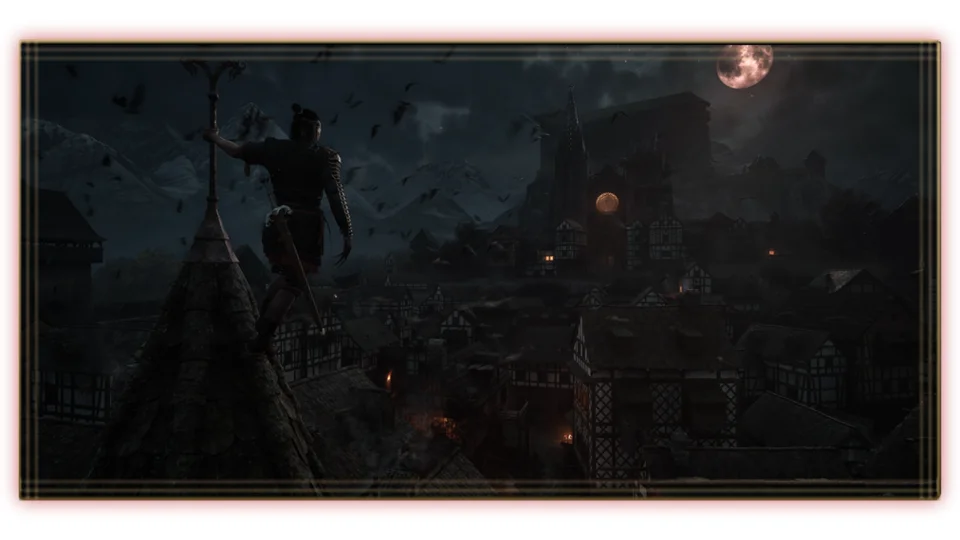 Edition Guide Eclipse Edition vs Standard package breakdown. Open section
 First-party evidence
Official Source Notes
Until launch-day guides are hands-on verified, these entries lead to first-party sources.
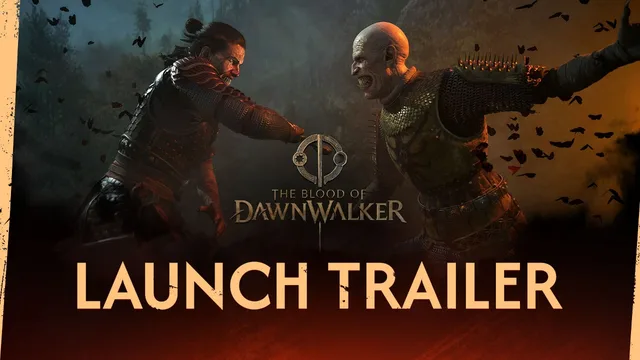 Aug 26, 2026 Launch Trailer A final official look at the game before its September 3 release. Read official source
 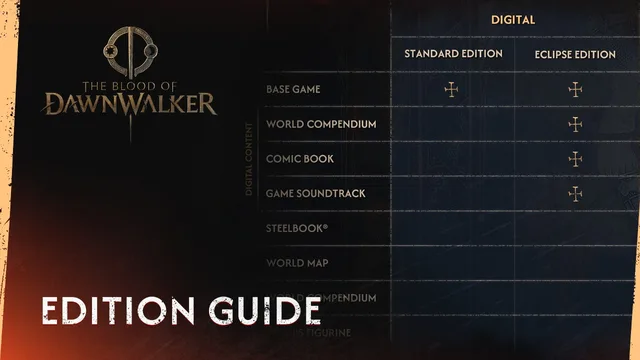 Aug 18, 2026 Eclipse Edition Explained Official edition contents, including the digital compendium, comic, and soundtrack. Read official source
  Aug 13, 2026 Game Features Overview Official overview of Coen’s dual nature, the world, and player choice. Read official source